
Intent
The principal aim of Religion and Worldviews is to explore what people believe and what difference this makes to how they live, so that the pupils can gain the knowledge, understanding and skills needed to handle questions raised by religion and belief, reflecting on their own ideas and ways of living.
Vocabulary
Children will develop the ability to apply subject specific vocabulary in Religion and Worldviews through consistent modelling by adults whilst establishing a culture of high expectations for discussions and debates. See a dictionary of Religion and Worldviews vocabulary here.
Implementation
Religion and Worldviews has an important part to play as part of a broad, balanced, and coherent curriculum to which all pupils are entitled.
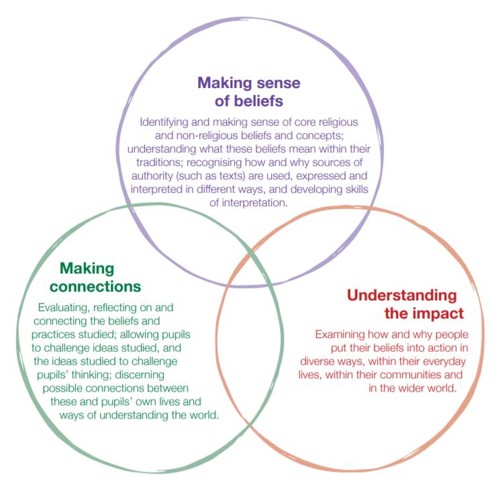
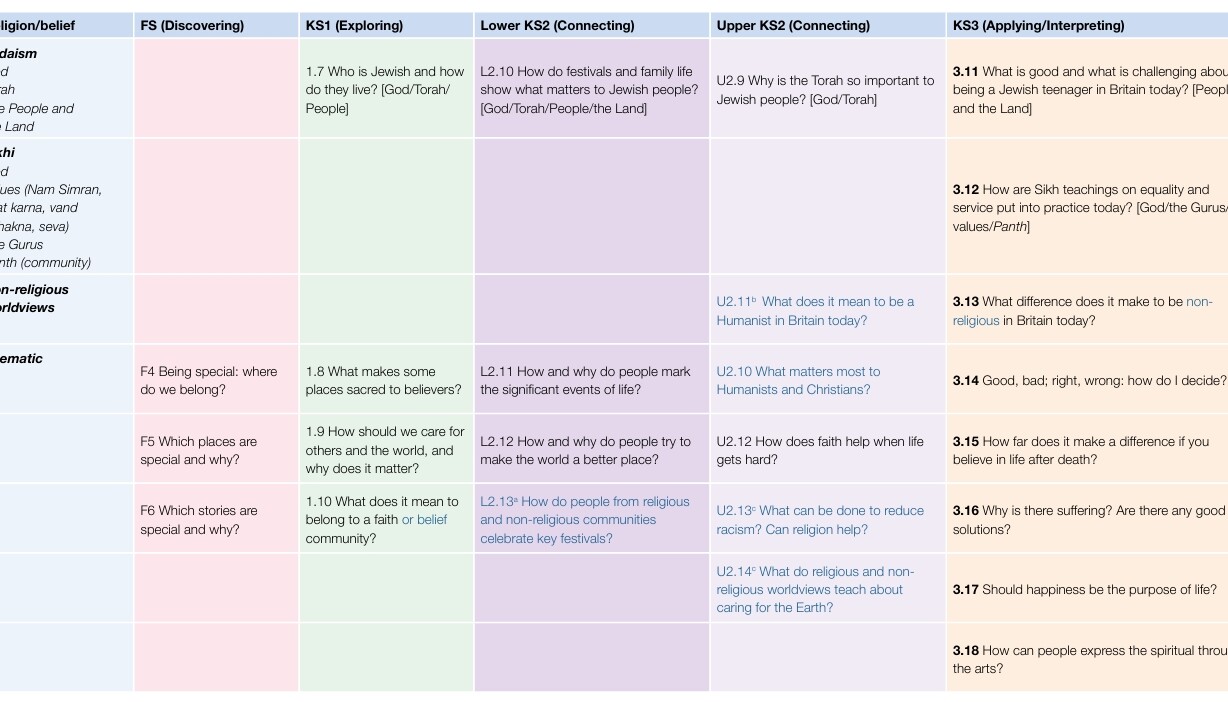
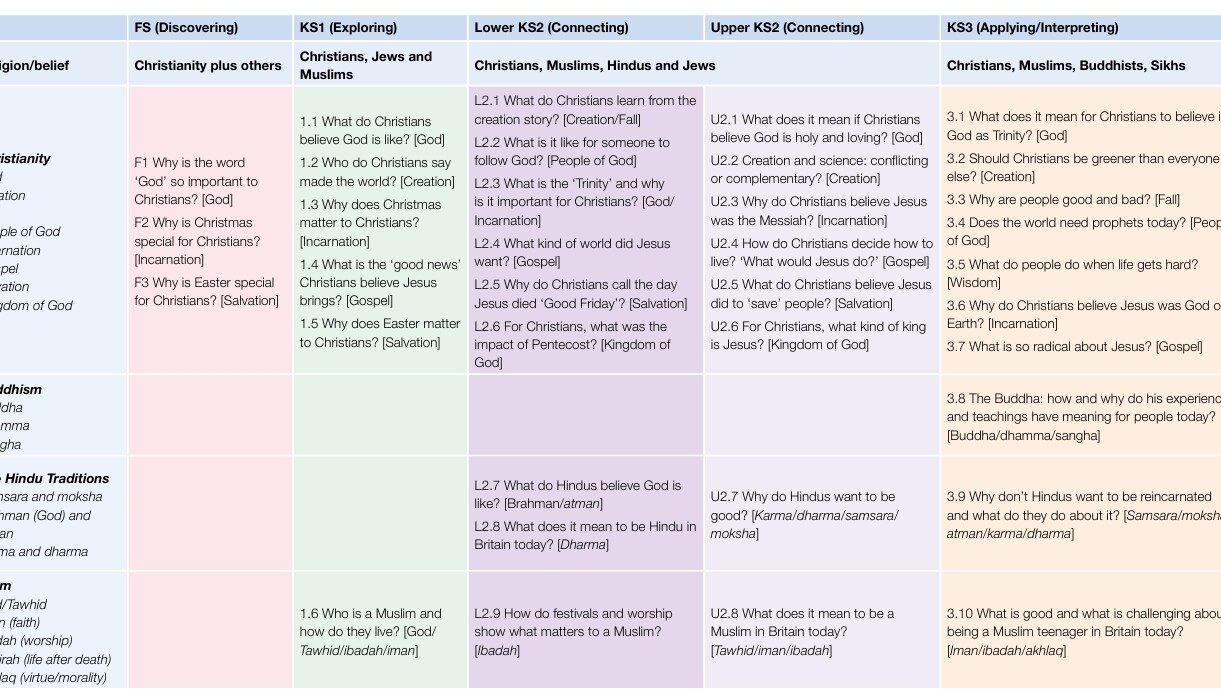
The Devon and Torbay Agreed Syllabus is a spiral curriculum that focuses on exploring the lives and beliefs of Christians, Jews, Hindus and Muslims through systemic units (studying one religion at a time) and then thematic units, which may cover other religious or non-religious worldviews and build on learning by comparing the beliefs and practices studied. An enquiry-based approach is taken and each unit of work begins with an enquiry question that is explored through three strands: making sense of belief, making connections and understanding the impact.
Our school has well established links with the local church and we welcome parents and visitors to school to talk about their faith, festivals and beliefs to help develop and deepen understanding.
Rolling programme
Impact
Through this subject, we aim to prepare our children to become global citizens who can discern and articulate their own informed worldviews with empathy and compassion. We want them to develop their capacity to reflect on personal ideas and beliefs and begin to understand where this sits in relation to other worldviews. We feel passionate about delivering a Religion and Worldviews curriculum which promotes the virtues of respect and empathy, which are so important in our diverse society. It fosters civilised debate and reasoned argument, and through developing this religious literacy, ultimately helps our children to understand the place of religion and belief in the modern world.
Flexible assessment opportunities for assessment, based on end-of-phase outcomes, ensure that pupils improve what they know, understand and can do regarding the different aspects of Religion and Worldviews they are studying.